Across Africa, Farmers Are Building Food Sovereignty Through Regenerative Practice
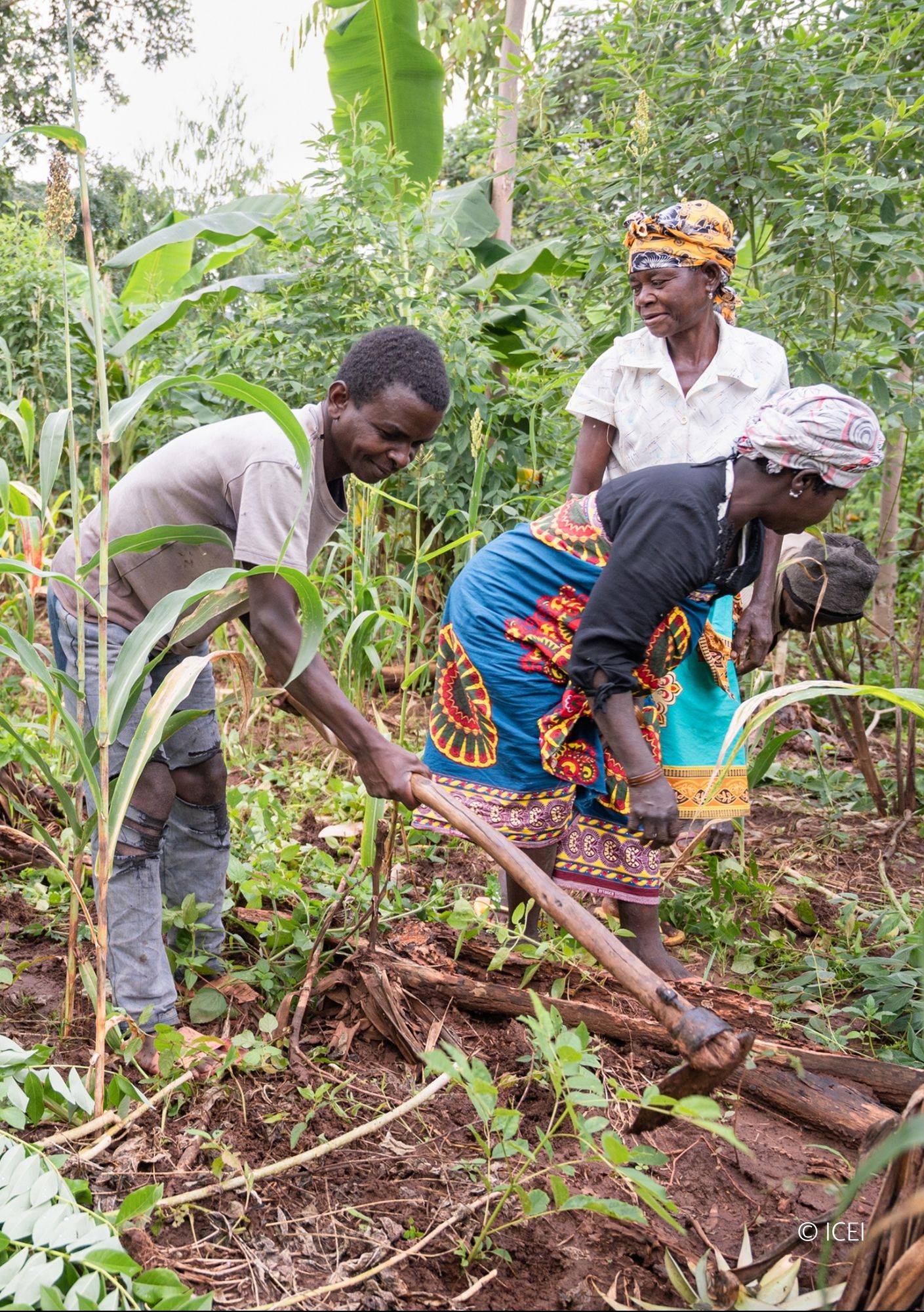
As global food supply chains face mounting pressure from climate disruption and geopolitical instability, farmers across Africa are turning to regenerative practices — green manures, agroforestry, community seed banks — that rebuild local control over food systems.
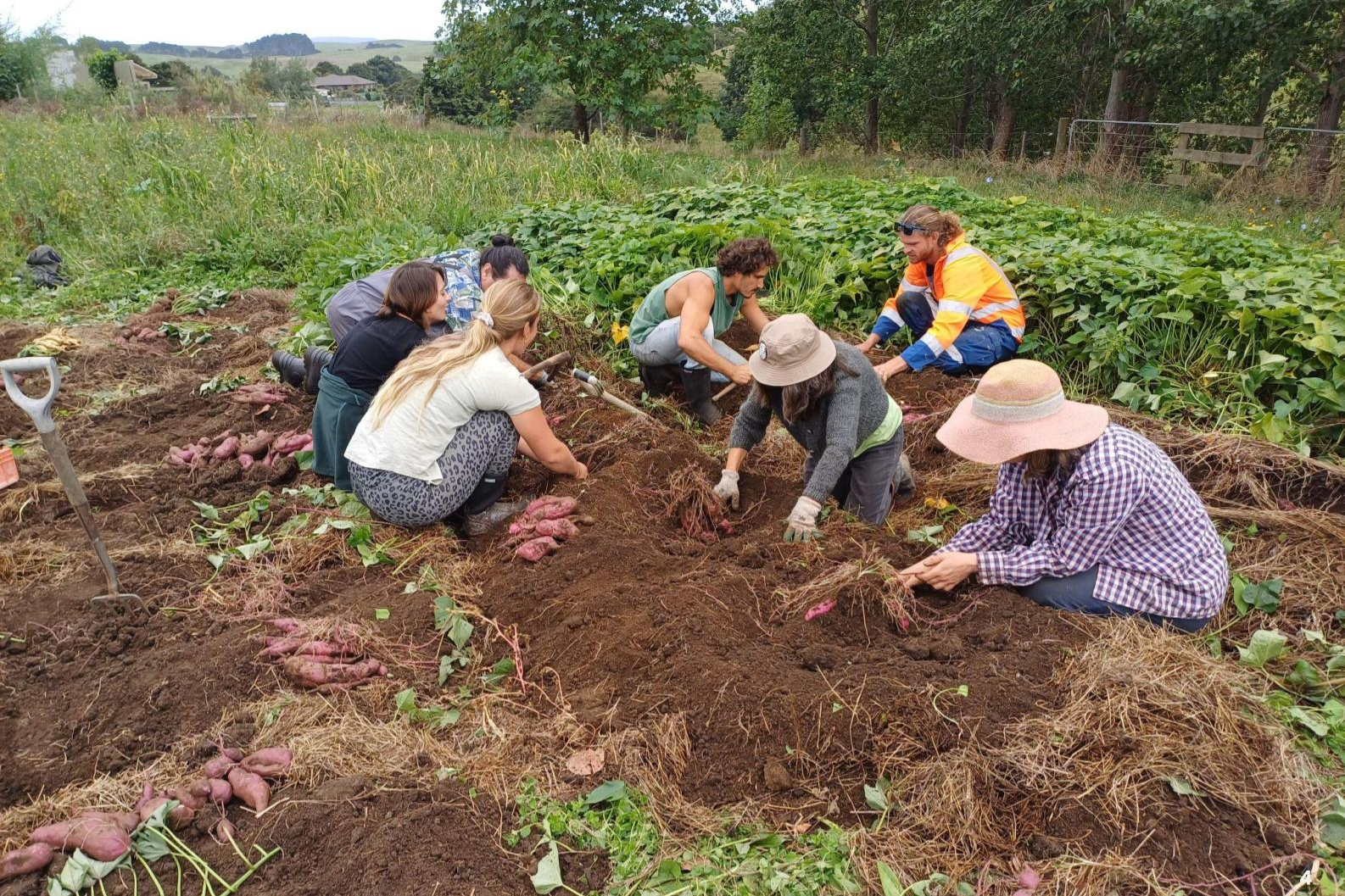
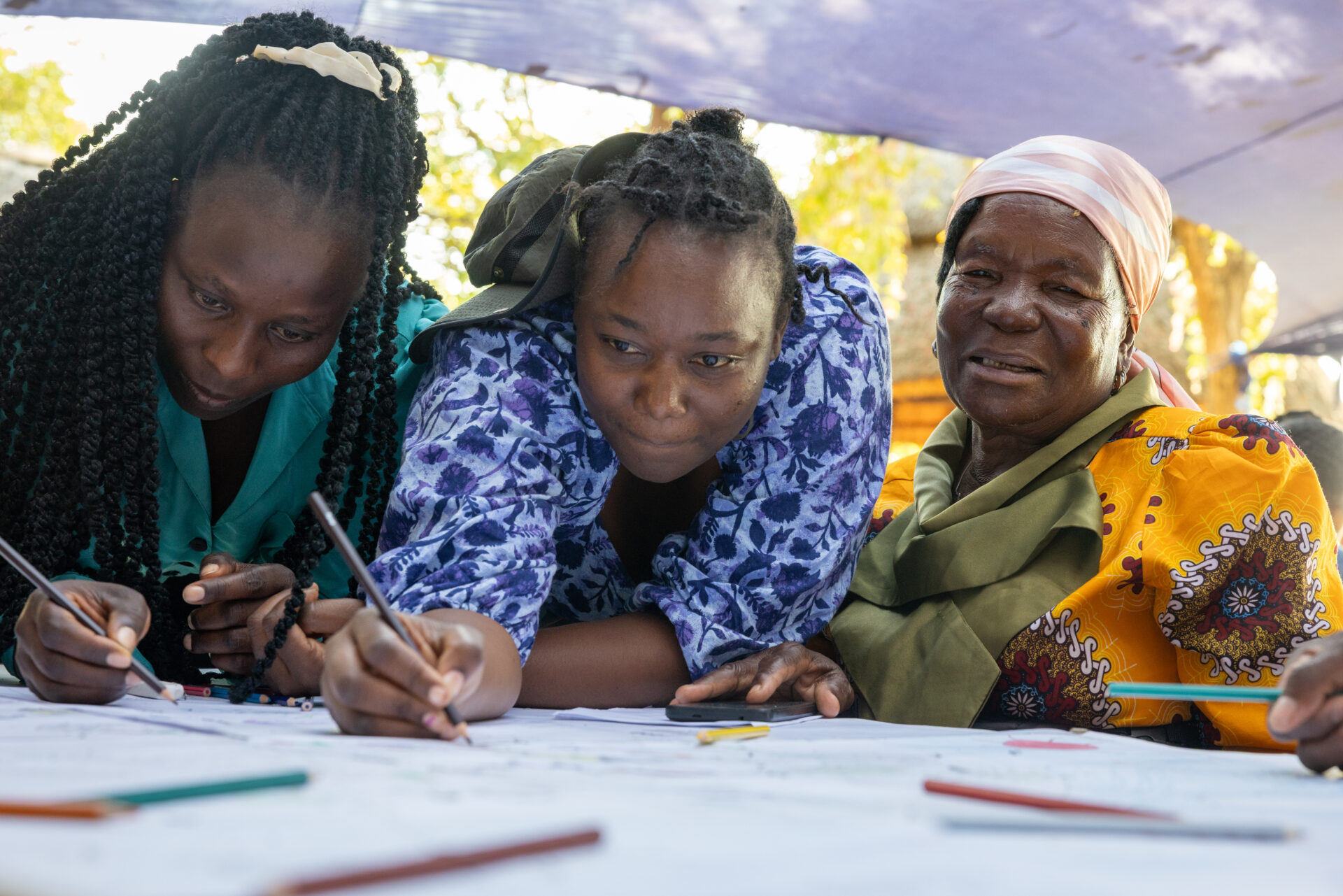
Across Africa, a quiet shift is underway. As dependency on imported fertilizers and globally traded commodity crops makes food systems increasingly fragile, farmers are rebuilding relationships with their land through agroecological and regenerative practices. These are not new ideas — they draw on indigenous knowledge systems that predate industrial agriculture — but they are spreading through networks, NGOs, and farmer-to-farmer learning in ways that are beginning to reach policy.
The concept of food sovereignty is central here. It goes further than food security, asking not just whether people have enough to eat, but who controls production, how it is organised, and in whose interest. For communities that have seen land grabbed, seeds patented, and markets distorted by subsidised imports, that distinction is not abstract — it is the difference between dependency and autonomy.
Why this matters → The gap that remains is at the policy level. Neither the World Bank's latest Country Climate and Development Reports nor AGRA's recent publications mention agroecology. The practices spreading on the ground have yet to penetrate the institutions with the largest power to scale them.
Continue reading →